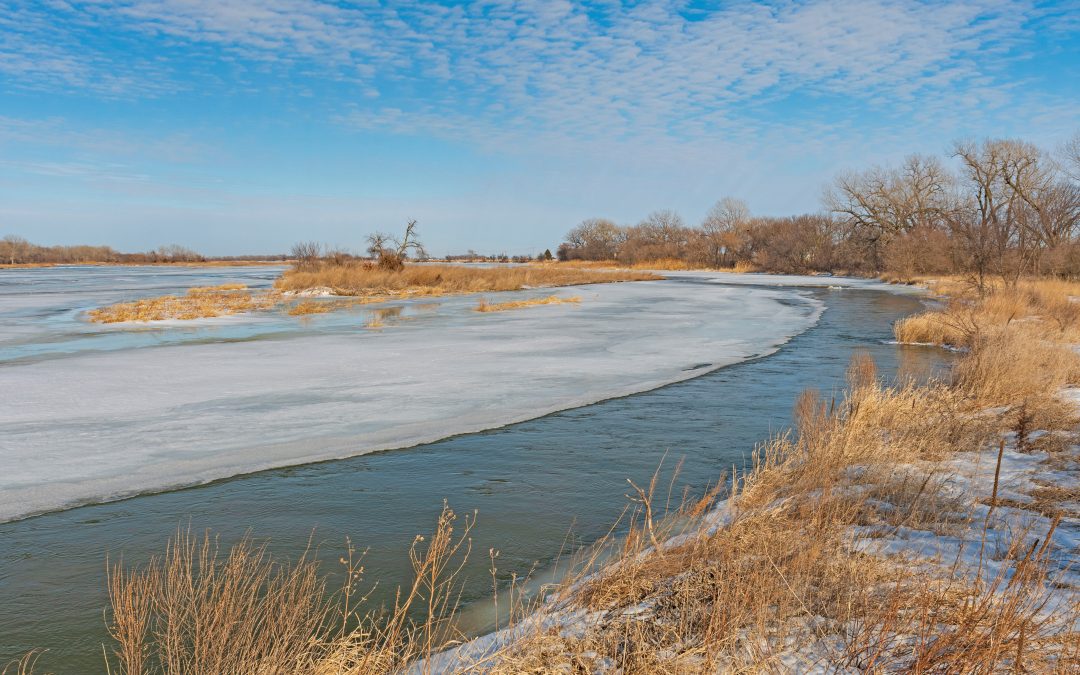
Just because summer is over doesn’t mean Nebraska paddling season has to end. In fact, some of the most memorable days on the water happen during late fall and winter, when the crowds disappear and the rivers take on a quieter, more peaceful feel.
If you’re enjoying a scenic float on the Middle Loup River, or planning a shoulder-season kayaking trip elsewhere in Nebraska, colder temperatures bring unique challenges. Open prairie winds, chilly water temperatures, and rapid weather changes can quickly turn an enjoyable outing into an uncomfortable one if you’re not dressed properly.
At Glidden Canoe Rentals, we often hear from paddlers looking to extend their season beyond summer. The key to doing so safely and comfortably is understanding how to layer effectively and choosing gear designed specifically for cold-water conditions.
This guide covers the essentials of paddling clothing for cold weather so you can stay warm, protected, and ready to enjoy Nebraska’s rivers year-round.
Planning a cold-weather outing in Nebraska? If you’d rather not guess on gear, timing, and conditions, check out our River Adventures for trip information and to start planning your next paddle on the Middle Loup River.
What Should You Wear When Paddling in Cold Weather?
When kayaking in cold weather, wear layers that insulate when damp, block wind and spray, and protect you if you end up in the water. Your clothing should start with moisture-managing base layers, add insulation suited to the conditions, and finish with a waterproof or water-resistant outer layer. Cotton is a poor choice because it holds water and pulls heat away from your body, so choose synthetics, wool, neoprene, or paddling-specific fabrics instead.
A simple cold-weather system includes:
- Base Layer: Lightweight or midweight wool or synthetic tops and bottoms that move moisture away from your skin.
- Insulating Layer: Fleece, wool, or other quick-drying insulation for your core and legs.
- Outer Protection: A paddling jacket, dry top, splash pants, dry pants, or dry suit depending on water temperature and exposure.
- Hands, Feet, and Head Protection: Gloves or pogies, neoprene booties or waterproof socks, and a warm hat or hood.
- Personal Flotation Device: Always worn over your layers and adjusted so it fits securely without limiting movement.
Good paddling clothing for cold weather is about building a system. One heavy coat may feel warm at launch, but it can quickly become uncomfortable once you begin paddling and may perform poorly if it gets wet. Multiple lighter layers allow you to adapt as conditions change throughout the day, especially on exposed Nebraska waterways where the wind can significantly affect comfort.
Dress for Water Temperature, Not Just the Forecast
Air temperature can be misleading. We’ve all had those Nebraska days when 60 degrees feels comfortable in the parking lot, but once you’re out on the water with wind and spray, conditions can feel much colder than expected.
Cold water removes heat from your body much faster than cold air. That’s why experienced paddlers choose cold-weather kayak gear based on water temperature, wind exposure, distance from shore, and rescue plans.
In Nebraska, shoulder-season paddling often brings:
- Cold overnight temperatures
- Chilly river water
- Open prairie winds
- Rapid weather swings throughout the day
Even if the afternoon warms up, a wet sleeve or damp layer can quickly become a source of heat loss once the wind picks up.
If the water is cold enough that an unexpected swim could be dangerous, consider immersion protection. A dry suit offers the most complete protection by keeping water out when paired with proper insulating layers. Wetsuits work differently by trapping and warming a thin layer of water against the body, slowing heat loss.
Before launching, ask yourself:
- How cold is the water?
- How long would it take to get back into the boat or reach shore?
- Is the wind strong enough to make wet clothing significantly colder?
- Am I paddling alone or with partners?
- Do I have dry backup clothing in a waterproof bag?
These questions often matter more than the forecast. Proper winter kayaking gear should provide a safety margin for changing weather and unexpected situations.
Is a Dry Suit or Wetsuit Better for Winter Kayaking?
A dry suit is generally the better option for true winter conditions, especially when water temperatures are very cold or rescue could take time. It keeps water out entirely but requires insulating layers underneath to provide warmth.
A wetsuit can be effective for milder cold-water paddling, shorter trips, or situations where immersion is possible but exposure time would likely be limited.
For many paddlers, the choice comes down to safety and comfort. A wetsuit may feel restrictive and can become chilly once activity levels decrease. A dry suit costs more and requires maintenance, but it offers greater flexibility because you can adjust your insulation layers underneath based on conditions.
If you’re selecting cold-weather kayaking apparel for the first time, prioritize safety. The colder the water and the farther you are from help, the more valuable full immersion protection becomes.
Layering Basics That Keep You Warmer Longer
Layering works because every piece serves a purpose. Your base layer manages moisture, your insulating layer traps heat, and your outer shell blocks wind and water. If one layer fails, the rest of the system has to work harder.
For your upper body, start with a comfortable synthetic or merino wool shirt. Add fleece or another insulating layer as temperatures decrease. Complete your system with a paddling jacket or dry top that seals more effectively than a traditional rain jacket.
For your lower body, avoid jeans, sweatpants, and cotton leggings. Instead, choose:
- Synthetic tights
- Fleece pants
- Neoprene pants
- Dry pants
- Paddling bibs
Clothing for cold-weather kayaking should allow full movement while paddling, bracing, and entering or exiting your boat.
Protecting Hands, Feet, and Head
Small comfort issues can quickly become major distractions on cold water. Numb fingers make it harder to grip your paddle, adjust gear, or assist another paddler. Cold feet can turn an otherwise enjoyable day into a miserable experience.
Useful accessories include:
- Pogies: Paddle-mounted covers that block wind and spray while allowing direct contact with the paddle.
- Neoprene Gloves: Offer protection when you’re away from the paddle.
- Neoprene Booties: Great for wet launches and cold shoreline conditions.
- Waterproof Socks: Provide additional warmth and dryness.
- Fleece Hat, Skull Cap, or Neoprene Hood: Help retain valuable body heat.
- Neck Gaiter: A small item that can significantly improve comfort on windy days.
Fit is important. Gloves that are too tight can restrict circulation, while footwear that compresses thick socks can actually make your feet colder.
What to Wear Kayaking in 60 Degree Weather
Many paddlers wonder what to wear when kayaking in 60-degree weather. The answer depends largely on water temperature, wind conditions, and the likelihood of getting wet.
If both air and water temperatures are mild, quick-drying layers paired with a light paddling jacket may be enough. However, if the water remains cold, you should dress as though an unexpected swim is possible.
For many Nebraska paddling trips, a practical setup includes:
- Synthetic base layers
- A fleece mid-layer
- Splash-resistant outerwear
- Neoprene booties
- Gloves or pogies
- A properly fitted PFD
This is where many paddlers underdress. Sixty degrees may feel pleasant on land, but river conditions can tell a different story. Always pack an extra layer and a set of dry clothes just in case.
Canoeing Needs the Same Cold-Weather Thinking
If you’re wondering what to wear canoeing in cold weather, the same principles apply. Canoeists are exposed to cold air, spray, dripping paddles, and the possibility of immersion just like kayakers. Canoe trips may also involve stepping into the water during launches and landings, making proper footwear especially important.
When canoeing during Nebraska’s colder months:
- Avoid cotton.
- Dress in layers.
- Protect your hands, feet, and head.
- Bring emergency dry clothing.
- Plan for potential immersion.
If you’re planning a float on the Middle Loup River, choose footwear with good grip, insulation, and enough flexibility to safely navigate riverbanks and access points.
Need a canoe, kayak, or stock tank rental for your next Nebraska float? Click here to explore rental options and start planning your adventure.
A Final Pre-Launch Clothing Checklist
Before you push off, take a moment to review your system:
- No cotton in your primary paddling outfit.
- Layers allow comfortable movement and easy breathing.
- Outerwear provides protection from expected wind and spray.
- Hands, feet, and head are properly protected.
- PFD fits correctly over all winter layers.
- Spare dry clothes are packed in a waterproof bag.
- Immersion protection matches water temperature and risk level.
- Weather and river conditions have been checked.
Cold-weather paddling isn’t about wearing the heaviest gear you own. It’s about selecting the right combination of layers that continue performing when conditions become windy, wet, or colder than expected.
Enjoy Nebraska’s Rivers Safely This Winter
Cold-weather paddling offers a unique way to experience Nebraska’s natural beauty. Quiet river corridors, stunning seasonal scenery, and fewer people on the water create an entirely different experience from summer paddling.
If you’re preparing for a late-fall float on the Middle Loup River, or getting ready for an early-season spring adventure, the right clothing system can make all the difference. Dress for the water, layer intelligently, and prepare for changing conditions so you can focus on enjoying the journey.
At Glidden Canoe Rentals, we’re passionate about helping visitors and locals experience some of the best canoeing, kayaking, and stock tank floating Nebraska has to offer. From first-time paddlers to seasoned outdoor enthusiasts, our team is here to help you create a safe and memorable day on the river.
Next Step: Ready to get on the water? Contact Glidden Canoe Rentals today to reserve your canoe, kayak, or stock tank rental, plan your next Nebraska river float, and experience the beauty of the Middle Loup River with confidence.