The Middle Loup River winds through Nebraska’s Sandhills with a quiet kind of richness: sandy banks, cottonwood edges, wet meadows, backwaters, and open grasslands all close enough to explore in one outing. This family-friendly nature guide highlights the Middle Loup River wildlife you may notice if you slow down, look carefully, and let the landscape reveal itself. From birds and deer to small fish flashing in the shallows, the river corridor offers a practical, rewarding way to experience Nebraska Sandhills wildlife without needing to be an expert naturalist.
Want to see more wildlife with less hiking? A quiet paddle keeps you at eye level with the river’s edges – where tracks, birds, fish, and mammals are easiest to spot. To plan a family float and get on-the-water trip info, learn more about our Middle Loup River Trips.
What Wildlife Can You Spot Along the Middle Loup River?
Along the Middle Loup River, visitors may spot a mix of grassland, riparian, and aquatic wildlife, including songbirds, raptors, water-loving mammals, reptiles, insects, amphibians, and several fish species. The best sightings often come from watching habitat edges: where water meets sand, where shrubs meet meadow, and where quiet backwaters meet the main channel. The river is not a zoo, so nothing is guaranteed, but that unpredictability is part of what makes each visit memorable.
The Sandhills setting matters. This region is known for rolling dunes stabilized by prairie grasses, with wetlands and river valleys woven through the terrain. That blend creates travel corridors, nesting cover, feeding areas, and sheltered water for many animals. A family walking slowly along a safe access point may notice far more than expected: tracks in damp sand, minnows in clear shallows, dragonflies over the water, or birds moving through willows.
The River Corridor Hides Life in Plain Sight
The Middle Loup can look calm at first glance, but its wildlife is often tucked into small details. A ripple near the bank may be a fish rising, a muskrat moving through vegetation, or a turtle slipping off a log. A patch of grass that looks empty from a distance may hold grasshoppers, butterflies, ground-nesting birds, or the tracks of animals that passed through earlier in the day.
For families, this makes the river especially fun. Children do not need rare sightings to stay engaged; they can search for clues. Ask them to compare footprints, listen for different bird calls, or count how many colors they see in the plants along the water. These small observations build patience and curiosity, which are the real keys to seeing hidden wildlife.
The river also changes with season and weather. Spring may bring more bird activity and fresh tracks near wet edges. Summer often highlights insects, fish, frogs, and early morning movement before the heat builds. Fall can make animals easier to notice as vegetation thins and birds move through the region. Even winter has its quiet signs, especially tracks, nests, and open-water activity where conditions allow.
Birds Bring Movement, Sounds and Surprise
Birdwatching Nebraska Sandhills habitats can be rewarding because open country and river edges offer very different viewing opportunities in the same trip. Along the Middle Loup, watch for birds using shrubs, trees, exposed sandbars, grassy areas, and quiet water. Some may be feeding on insects, others may be resting during travel, and some may be nesting nearby depending on the season.
Songbirds often reveal themselves by sound before sight. Stand still near a line of trees or brush and listen for repeated calls, fluttering leaves, or quick movement between branches. Binoculars help, but they are not required. A patient observer can still notice size, color patterns, tail shape, and behavior.
Larger birds can be easier for beginners. Raptors may circle overhead or perch where they can scan open ground. Water-associated birds may move along shallow edges, especially where the current slows. If you are new to birdwatching, focus less on naming every bird and more on noticing what it is doing. Is it hunting, calling, bathing, feeding, or guarding a territory? Behavior often tells a better story than identification alone.
Simple birdwatching cues for beginners
Use these clues to make birdwatching more approachable:
- Habitat: Is the bird in grass, trees, brush, open sky, or shallow water?
- Shape: Is it slender, chunky, long-legged, short-tailed, or broad-winged?
- Movement: Does it hop, glide, soar, dive, wade, or dart quickly?
- Sound: Is the call sharp, musical, repetitive, buzzing, or low?
- Timing: Was it active at dawn, midday, evening, or after a weather change?
This approach keeps the experience fun even when you cannot identify a species immediately.
Fish of the Middle Loup River
A dedicated look at Middle Loup River fish helps complete the wildlife picture because much of the river’s life happens below the surface. Depending on habitat, flow, access, and conditions, anglers and observers may encounter species associated with sandy rivers, slower pools, and connected backwaters. Fish are also important because they support the broader food web, feeding birds, mammals, reptiles, and larger fish.
Channel catfish are one of the better-known river fish families you may hear about. They are often associated with deeper pools, slower current, and areas with cover. Their presence makes the river interesting for anglers, but even non-anglers can appreciate how catfish use scent, current, and structure to find food.
Blue catfish may also be discussed in connection with larger river systems and suitable waters in the region. Like channel catfish, they are powerful fish that tend to be associated with deeper water and stronger feeding opportunities. If fishing, always check current Nebraska regulations and local guidance before targeting or keeping any fish.
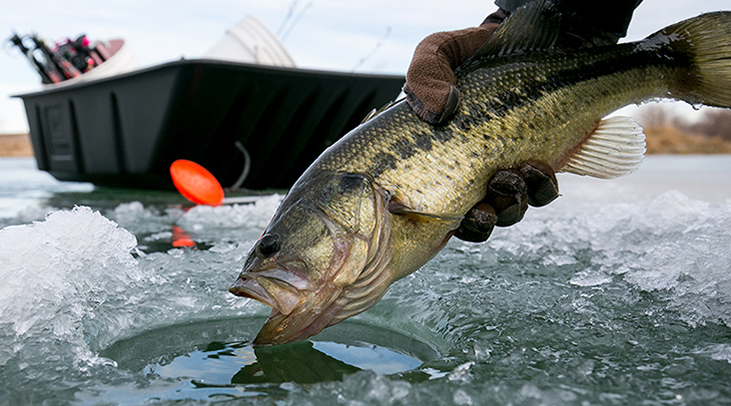
Largemouth bass are most likely to be associated with quieter habitat, especially backwaters rather than fast, shallow main-channel current. These slower areas can provide cover, warmer water, and prey. For wildlife watchers, backwaters are worth a careful look because they often concentrate insects, amphibians, minnows, and birds as well.
Smaller fish matter too. Sand shiners and red shiners may be easy to overlook, but they are part of the living fabric of sandy, prairie-influenced waters. Watch the shallows on a sunny day and you may see tiny flashes as small fish turn in loose groups. These species help connect the river’s smallest food sources to larger predators, making them a quiet but important part of Middle Loup River wildlife.
Mammals, Reptiles, Insects, and Tracks Tell Quieter Stories
Not every animal sighting comes with a dramatic appearance. Many mammals are cautious, most active around dawn or dusk, or more likely to leave signs than show themselves. Along sandy or muddy edges, look for tracks, tail marks, slides, scat, clipped plants, or worn paths leading toward the water. These signs can tell you who uses the area when people are not around.
White-tailed deer and mule deer may browse near river-edge vegetation or move across open areas when conditions are quiet. River otters can live along waterways and may be seen (or detected by tracks and slides) where there is cover and healthy aquatic habitat. Foxes and other small mammals are active near the valley, especially around the transition zones between grassland and brush.
Reptiles and amphibians add another layer of interest, especially in warm months. Turtles may bask where they can quickly drop into the water. Frogs and toads may be heard before they are seen, particularly near wet edges and calmer water. Insects are everywhere in a healthy river setting: dragonflies patrol above the surface, butterflies work flowering plants, and beetles, grasshoppers, and other small creatures support birds and fish.
Birds to Watch For (from Raptors to the Central Flyway)
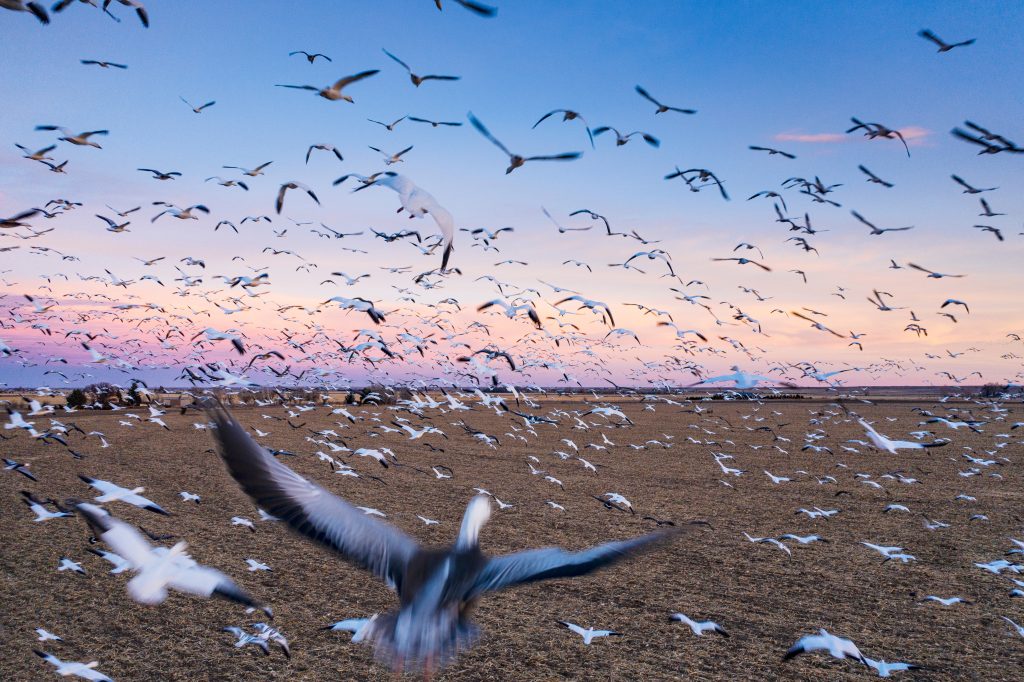
If you’re scanning the sky or treetops, start with raptors. Bald eagles and red-tailed hawks may appear in the region, especially where open country meets tall trees and good hunting habitat. On the water and in nearby fields, you may also notice wild turkeys, plus familiar ducks and geese using the river corridor.
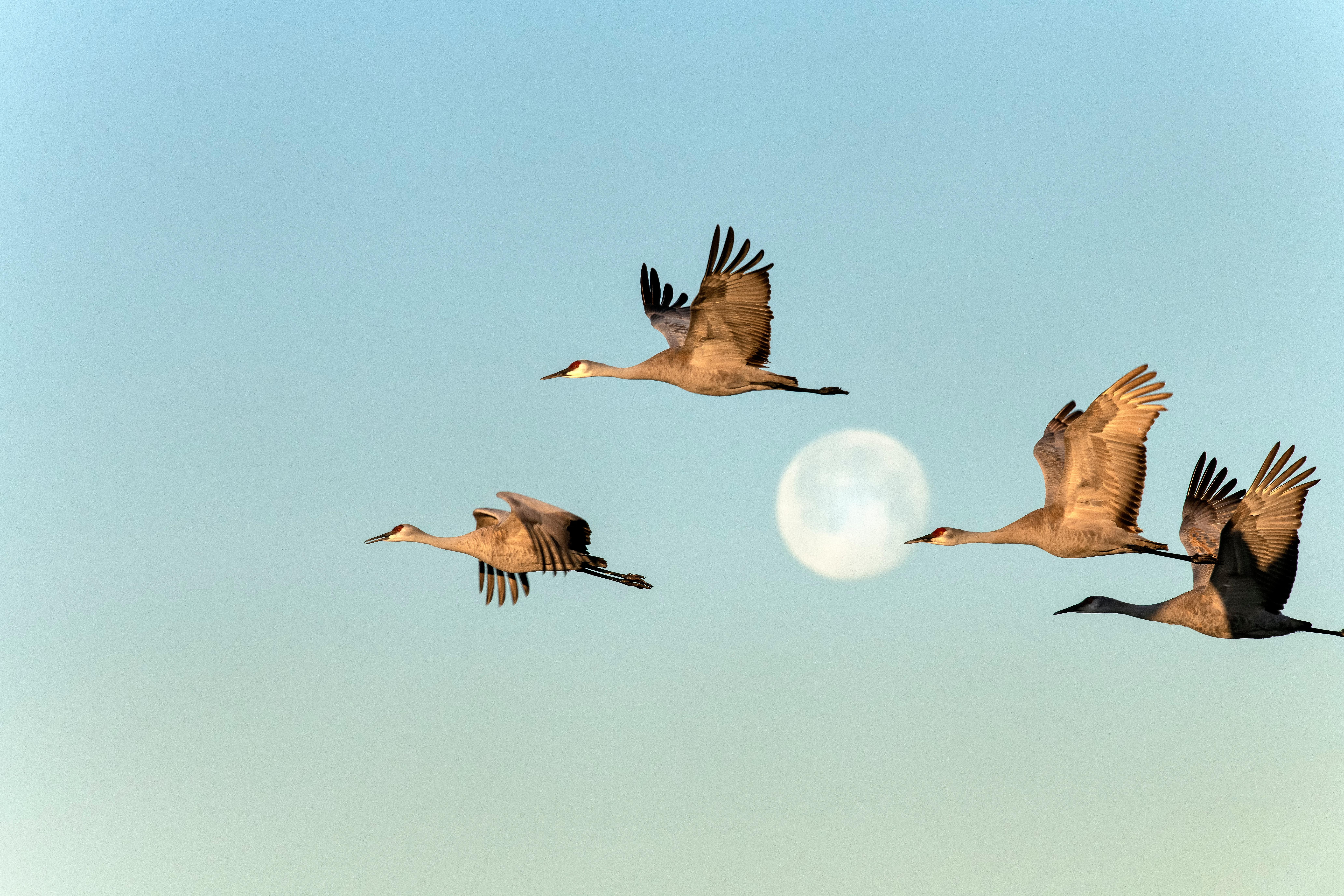
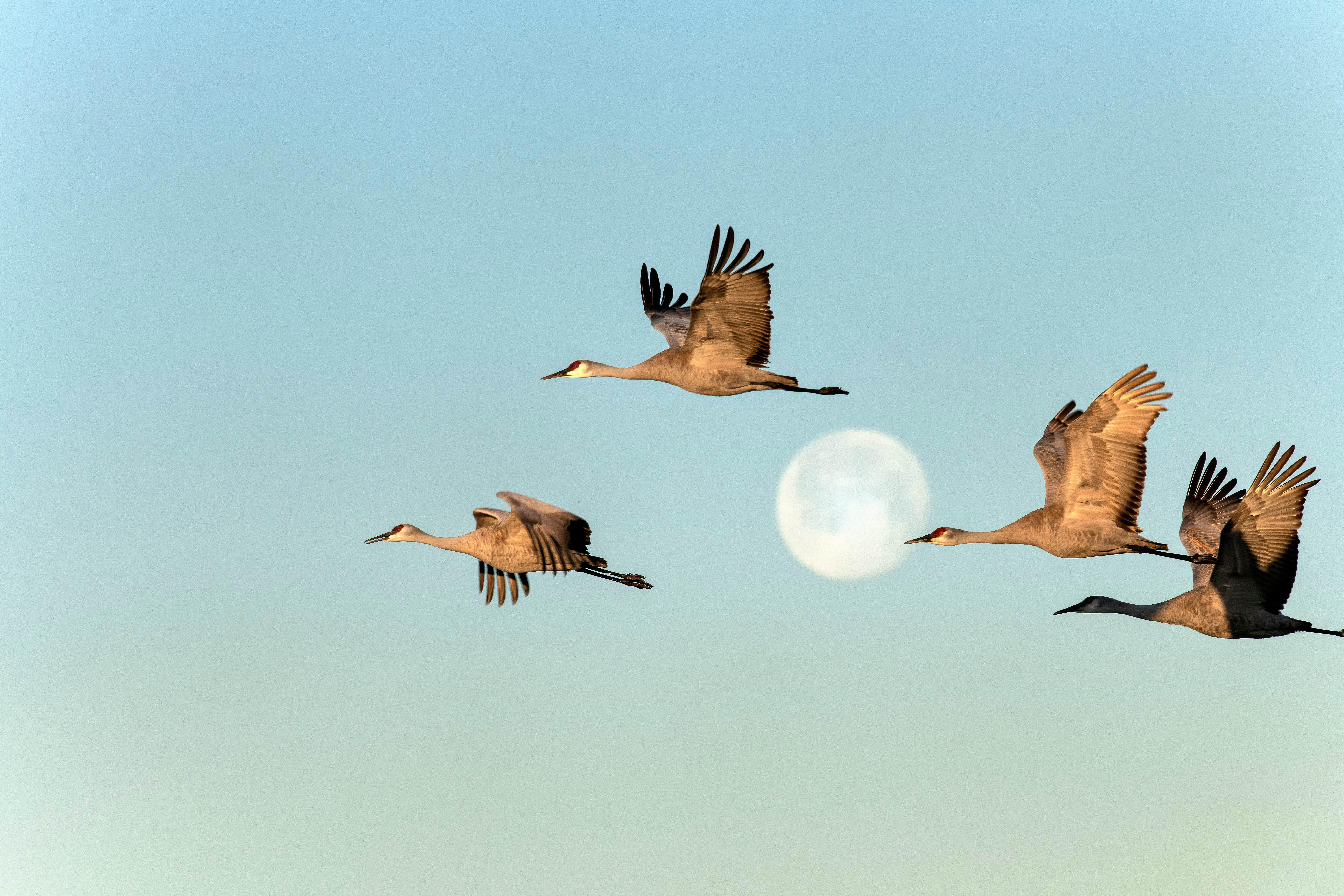
The Middle Loup area also connects to bigger migration stories. Nebraska sits in the Central Flyway, and seasonal movement can bring a changing mix of migratory and shorebird activity. Watch for larger birds such as pelicans during migration windows, and keep an ear out for nighttime or low-light sounds that hint at other species nearby, including great horned owls. In the broader Sandhills region, Sandhill cranes are a well-known migration highlight when conditions and timing align.
How Should Families Responsibly Spot Wildlife Here?
Families should spot wildlife along the Middle Loup River by choosing safe public access, visiting during cooler low-light hours, watching from a respectful distance, and leaving the riverbank as they found it. The best places to observe animals are often quiet edges, backwaters, sandbars viewed from a safe distance, tree lines, wet meadows, and slower bends where food, water, and cover come together. Responsible viewing protects both wildlife and people, making the experience better for everyone.
Planning a wildlife float? Paddling is one of the easiest ways to move quietly along prime habitat edges without repeatedly getting in and out on fragile banks. For trip planning info, rental details, and what to bring, contact us.
Best times and places to look
Early morning and evening are often the most comfortable and productive times for wildlife watching. Animals tend to be more active when temperatures are milder, and birds are often easier to hear before wind and daytime noise increase. After a light rain, tracks may show more clearly in damp sand or mud, while calm sunny moments can make fish and turtles easier to spot.
Good observation areas include:
- Quiet river bends where the current slows
- Backwaters with vegetation and still pockets
- Edges of cottonwoods, willows, shrubs, or tall grasses
- Sand or mud patches that may hold tracks
- Safe overlooks or access points with a wide view
- Shallow margins where small fish may gather
Avoid trampling fragile banks or entering private land without permission. If you are unsure whether an area is open to the public, choose a clearly marked access point instead.
Safety and Leave No Trace basics
The Middle Loup River can have shifting sand, uneven banks, changing water depth, and strong current in places. Keep children close, avoid undercut banks, and do not assume shallow-looking water is safe to cross. Wear sturdy footwear, bring drinking water, use sun protection, and check weather before you go.
Practice Leave No Trace principles in simple, family-friendly ways:
- Pack out every snack wrapper, fishing line, and piece of trash.
- Stay on durable surfaces when possible.
- Observe animals without chasing, feeding, calling, or cornering them.
- Leave feathers, nests, bones, shells, rocks, and plants where you find them.
- Keep noise low so wildlife is less stressed and other visitors can enjoy the area.
- Give nesting birds, young animals, and resting wildlife extra space.
These habits teach children that nature is not just something to consume; it is something to care for.
Kid-friendly activities that keep the day engaging
A family-friendly nature guide should make room for curiosity, not just identification. Try a “five senses” walk where children name one thing they see, hear, smell, and feel, while skipping taste for safety. Give each child a small notebook to sketch tracks, leaf shapes, birds, or water patterns. Younger kids can play wildlife detective by looking for clues rather than animals.
You can also create a simple observation challenge:
- Find three different bird sounds.
- Spot one insect near the water.
- Look for fish movement in a shallow area.
- Identify one track or mystery mark in sand or mud.
- Sit quietly for two minutes and notice what changes.
Short, focused activities help children slow down without feeling like they are being asked to stand still forever.
Small Observations Create the Best Memories
The hidden wildlife you might spot along the Middle Loup River is not always rare, large, or dramatic. Often, the best moments are subtle: a shimmer of red shiners in the shallows, a turtle dropping from a sunny perch, a raptor circling over prairie, or a child realizing that tracks tell a story. That is the value of exploring slowly.
For anyone interested in Nebraska Sandhills wildlife, the Middle Loup River offers an accessible reminder that healthy landscapes are full of connections. Birds follow insects, fish use backwaters, mammals travel the banks, and families learn by noticing one small clue at a time. Bring patience, respect the river, and let the Sandhills reveal what is already there.
Ready to turn wildlife spotting into a river adventure? Contact us today to get trip planning info and next steps.